




Nasdaq-listed Bitcoin miner PowerCompute has significantly reduced its secured debt after using approximately 267 Bitcoin to repay a $22.45 million loan, but its latest financial disclosures show that the company continues to face substantial liquidity risks.
The company’s third-quarter regulatory filing reported approximately $653,000 in cash at September 30, 2026, alongside $5.3 million in Bitcoin holdings. Management also warned that significant uncertainty remains about its ability to continue operating without additional financial support.
The figures highlight the difference between reducing corporate debt and achieving sustainable financial stability.
PowerCompute uses Bitcoin to repay secured debt
PowerCompute settled its Bitcoin-backed financing arrangement with Arch Lending on September 24.
According to the company’s regulatory disclosures, Arch sold approximately 267.3 Bitcoin from a total of 307 BTC pledged as collateral.
The transaction covered roughly $21.89 million in loan principal, $118,582 in accrued interest and a $440,122 settlement fee.
Approximately 39.6 Bitcoin were returned to the company after the loan was repaid.
PowerCompute reported that the transaction reduced its secured debt to approximately $1.25 million and eliminated the Bitcoin collateral obligations associated with the Arch facility.
Importantly, the sale was initiated by PowerCompute under the loan’s settlement provisions.
The company said the arrangement did not contain margin-call requirements or price-triggered liquidation provisions.
The transaction therefore should not be described as a forced liquidation caused by falling Bitcoin prices.
Cash reserves remain limited
Although the repayment substantially reduced debt obligations, PowerCompute’s financial position remains under pressure.
Its Form 10-Q reported cash and cash equivalents of $652,628 at September 30, down from approximately $1.42 million at the end of 2025.
The company also reported cumulative net losses of approximately $48.9 million between January 2024 and September 2026.
Net cash used in operating activities reached approximately $9.9 million during the first nine months of 2026.
Management warned that these conditions raised substantial doubt about the company’s ability to continue as a going concern.
A going-concern warning identifies uncertainty about whether a business can meet its obligations and maintain operations over the relevant assessment period.
It does not mean that bankruptcy has already occurred or that operations have stopped.
Bitcoin holdings do not eliminate liquidity risks
PowerCompute’s balance sheet included approximately $5.3 million in Bitcoin at the end of September.
However, cryptocurrency holdings and immediately available cash are not identical financial resources.
Bitcoin can be sold to generate cash, but its market value changes and the proceeds available from a sale depend on prevailing market conditions.
Mining companies also face expenses involving electricity, equipment, maintenance and operational infrastructure.
PowerCompute’s disclosures show that debt reduction alone has not resolved its need for additional funding.
Management intends to address its financial position partly through refinancing arrangements and an existing program that allows it to issue additional shares.
Such financing could provide capital, but new share issuance may dilute existing shareholders.
Mining expansion continues despite uncertainty
PowerCompute is also pursuing operational improvements.
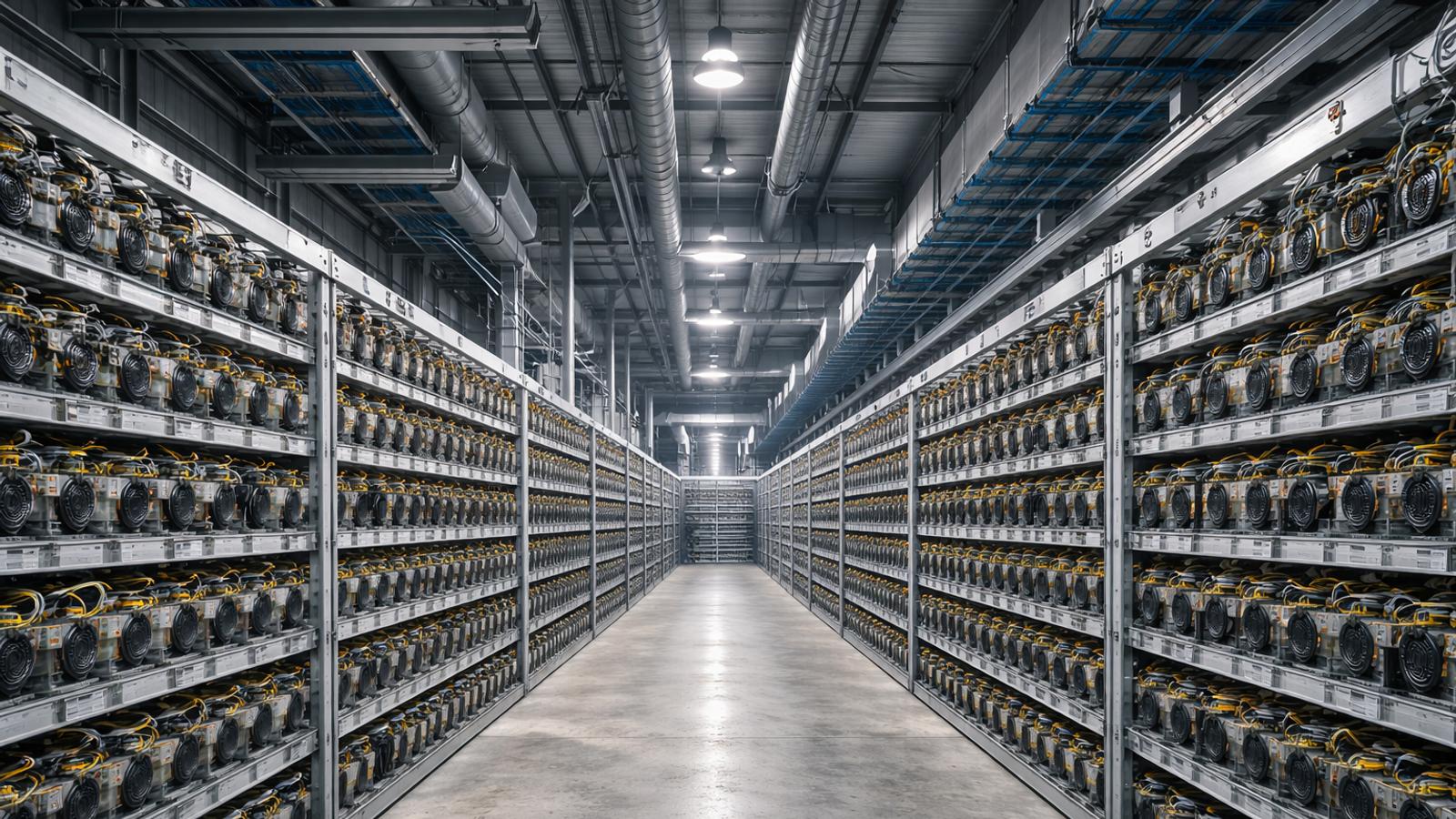
The company operates Bitcoin mining infrastructure in Oklahoma and Mississippi and has been investing in equipment upgrades intended to improve efficiency and computing capacity.
In November, it purchased approximately 600 additional mining machines for about $1 million, according to CoinDesk.
The new equipment is expected to increase computing capacity once deployed.
However, additional mining hardware does not automatically guarantee higher profitability.
Bitcoin mining returns depend on several factors, including network difficulty, electricity costs, equipment performance and the market value of newly mined Bitcoin.
Expansion can also require additional capital before new equipment generates revenue.
What the financial disclosures do not prove
PowerCompute’s repayment demonstrates that the company successfully eliminated a major Bitcoin-backed financing obligation.
It does not establish that the business has achieved sustainable profitability or resolved its liquidity challenges.
The going-concern warning also does not prove that insolvency or bankruptcy is inevitable.
Future outcomes will depend on operating cash flow, access to financing, Bitcoin market conditions and the company’s ability to execute its business plans.
The case illustrates a broader financial distinction for cryptocurrency mining companies: holding valuable digital assets and reducing debt can strengthen parts of a balance sheet without guaranteeing sufficient cash to sustain operations.