




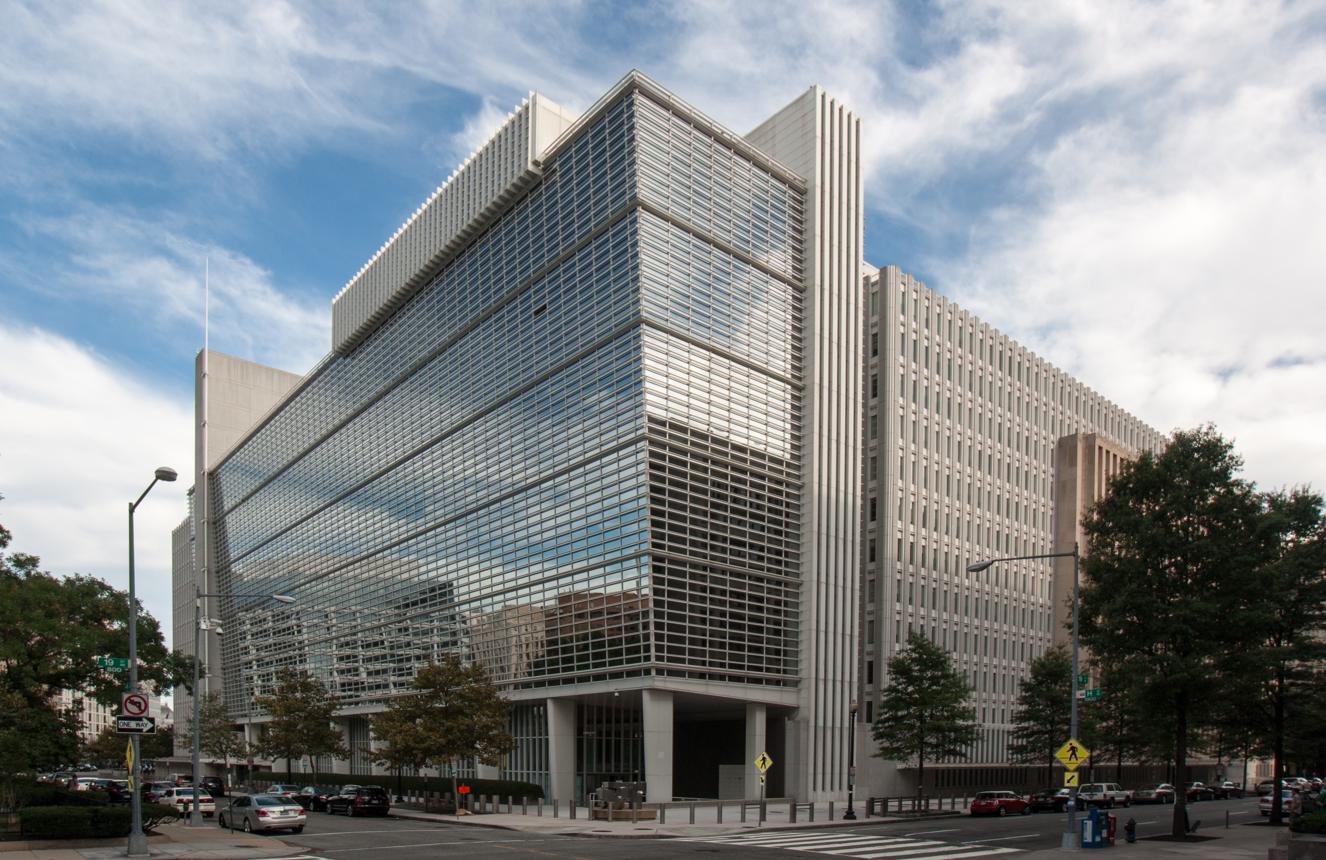
The World Bank Group is exploring the use of regulated U.S. dollar stablecoins to improve international development payments, working with Citi and Circle to evaluate whether blockchain infrastructure can reduce settlement costs, accelerate transfers and improve financial transparency.
Announced on November 17, 2026, the initiative will examine how Circle’s USDC stablecoin could work alongside the World Bank’s existing banking arrangements.
The proposal marks a potential expansion of blockchain technology into development finance, although no full-scale payment deployment has been announced.
World Bank examines stablecoin settlement
The World Bank Group distributes development financing to governments and organizations supporting infrastructure, healthcare, education and other economic projects.
Many international transfers rely on correspondent banking arrangements, in which financial institutions move funds through accounts maintained with other banks.
These arrangements support established payment systems but can involve processing delays, multiple intermediaries and additional administrative costs.
Under the proposed initiative, Citi would provide access to its existing banking infrastructure, while Circle would contribute technology for issuing and settling payments in USDC.
USDC is a dollar-denominated stablecoin designed to maintain a value of one U.S. dollar per token.
The World Bank intends to evaluate whether combining traditional banking services with blockchain-based settlement can improve how development funds reach recipients.
Existing blockchain platform provides foundation
The initiative builds on FundsChain, a blockchain-based system already used by the World Bank Group to improve the traceability of development financing.
According to the institution, more than 350 projects across 96 countries have been onboarded to FundsChain’s digital ledgers.
The platform allows authorized project participants to monitor information about how development funds are being used.
The proposed stablecoin initiative would address a related but distinct function: the movement and settlement of money.
Tracking financial information through a blockchain does not necessarily mean that the underlying payments are also executed using cryptocurrency.
This distinction matters because transparency tools and payment infrastructure can operate independently.
Citi and Circle outline their roles
Citi would connect the proposed stablecoin arrangement with established banking networks, while Circle would provide infrastructure supporting the creation and settlement of USDC.
The initial work will focus on an intermediated and interoperable payment model.
An intermediated system involves financial institutions or other authorized service providers participating in transactions rather than requiring every user to interact directly with a blockchain.
Interoperability refers to the ability of different financial systems to exchange information or transfer value.
The World Bank said the initiative would involve borrower countries where digital-asset use is legally permitted.
It also plans to explore participation from additional banks as the project develops.
However, the institution has not disclosed a complete implementation timetable or identified the first participating countries.
Faster payments could support development projects
World Bank Group President Ajay Banga said improvements in payment efficiency could help development funds reach intended projects more quickly.
Delays in international transfers can affect organizations that depend on timely funding for construction, healthcare and agricultural activity.
Blockchain-based settlement systems may offer greater operating-hour flexibility and faster transaction processing than some conventional international banking arrangements.
However, blockchain transaction speed is only one component of international payments.
Converting digital assets into local currency, meeting regulatory requirements and distributing money through domestic financial systems can introduce additional costs and delays.
Consequently, faster blockchain settlement does not automatically guarantee that recipients will receive funds more quickly or cheaply.
What the announcement does not prove
The World Bank’s announcement confirms that it is investigating stablecoin-based payment infrastructure.
It does not establish that development funds are already being distributed through USDC at scale.
Nor does the initiative prove that stablecoins will reduce costs, eliminate payment delays or outperform existing banking arrangements in every jurisdiction.
The institution has not published independently measured savings or transaction-performance results from the proposed model.
The distinction is important because evaluating a technology differs from demonstrating its effectiveness in operational use.
For now, the collaboration provides evidence of growing institutional interest in regulated stablecoins.
Its wider significance will depend on pilot results, participating countries, regulatory conditions and whether the proposed system delivers measurable improvements over existing payment infrastructure.